


A Seasonal Note
The hedgerows are heavy with fruit, and the air smells faintly of woodsmoke and apples — that unmistakable turning of the year when summer gives way to the hush of autumn. It’s the season for gathering the small, the overlooked, and the wild — the things that glow brightest once the harvest rush has passed. And for me, that has always meant crabapples: the tiniest jewels of the orchard, sharp as memory and just as sweet when tended with care.
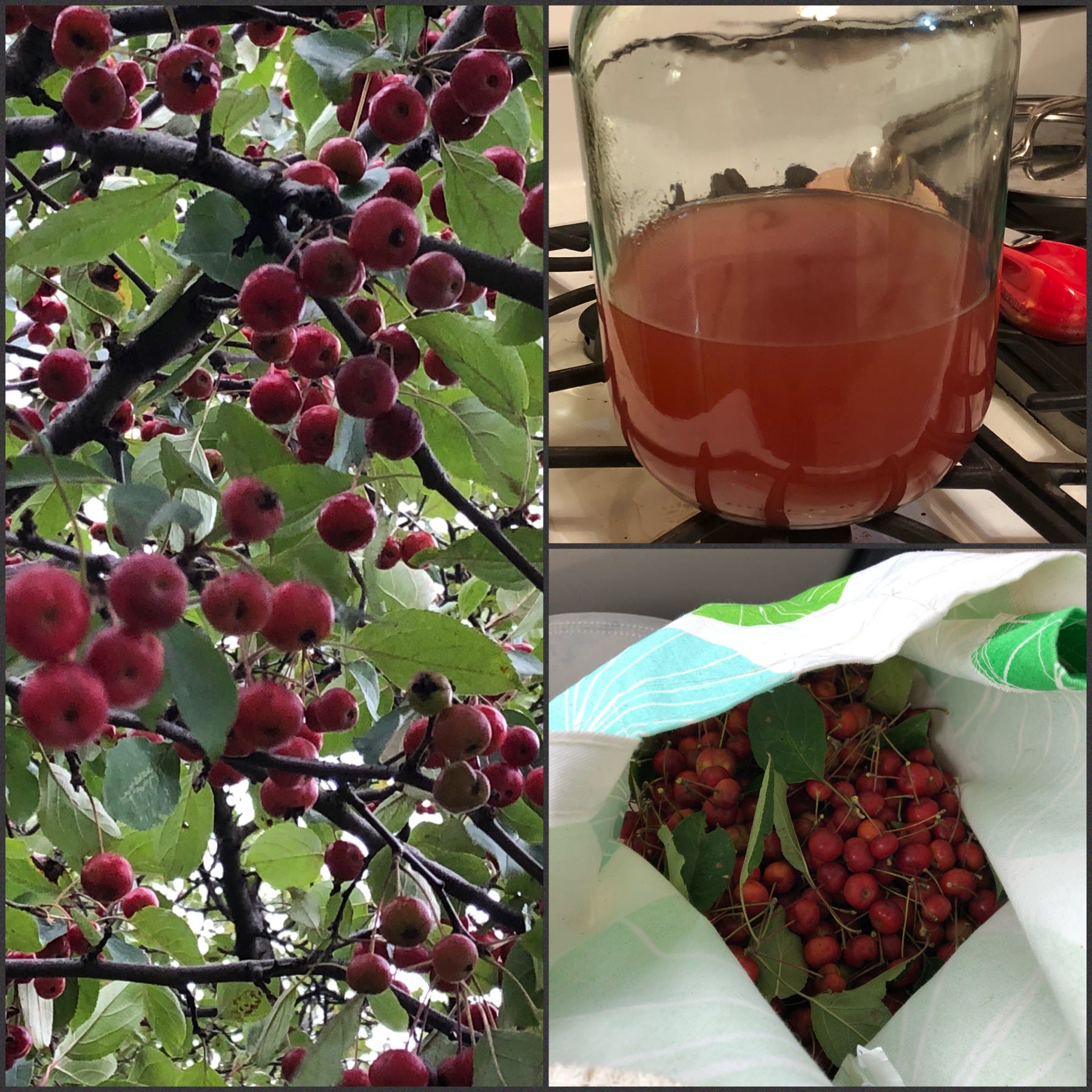
In the Ogham Tree Alphabet, the Apple (Quert) is the symbol of love, beauty, generosity, faithfulness, and fertility. It is also known as the Tree of Two Choices — representing the crossroads between comfort and growth, between what is known and what might yet be possible. I often think of that when I see the crabapple trees — so small, so unassuming, yet carrying within them the wisdom of choice, sweetness, and consequence.
In the old Celtic Ogham, each tree held a letter and a lesson — a living language written in bark and branch, used by druids and poets to understand the world and their place within it.
“Even the smallest fruits can hold the oldest wisdom.”
The Humble Crabapple
Tiny and tart, the humble crabapple is a far greater treasure than most imagine — a small, blushing powerhouse of nutrition and charm. I grew up with a yard full of lovely crabapple trees, and they remain near and dear to my heart. Many a summer’s day was spent beneath their branches, waging fierce neighborhood battles with crabapples as our chosen weapons. Such is the imagination of children left to their own wild kingdoms during the long holiday months!
When you aren’t using them as ammunition, crabapples are remarkably versatile. They can be pickled and served with cold meats and fowl, or juiced alongside sweeter apples to lend a bit of wildness to your cider or breakfast glass. If you wait until after the first frost to gather them, they’ll offer up a surprising sweetness beneath their tart skin.
Their pectin content is generous — almost exuberant — which makes them a perfect companion for other fruits when setting jams and jellies. A poultice of pounded crabapple (use a mortar and pestle, as your grandmother surely would) soothes small, inflamed wounds. I often dry them, chop them, and blend them into tea with anise hyssop, stevia, and warming spices like cinnamon and clove — finished with a spoonful of honey, of course.
Just take care not to eat too many at once. Like most apples, they have definite laxative qualities!
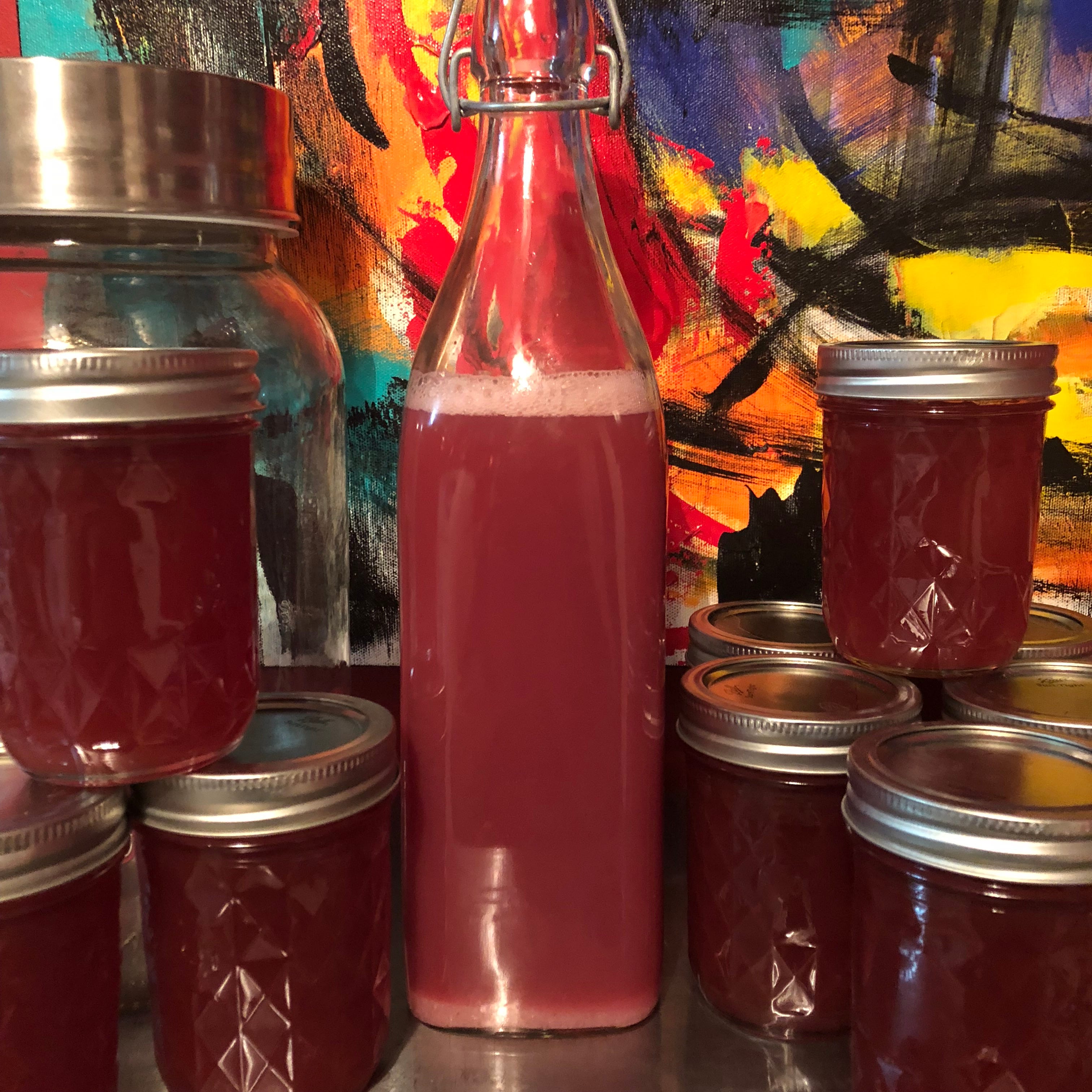
This bottle of Verjus is what you don’t want it to look like:) Note the foaminess! Make sure that it’s in a bottle with a loose lid that can breathe! This one exploded! Fortunately I had more and it was delicious!
The Alchemy of Verjus
Before lemons were common in northern kitchens, cooks relied upon verjus — the pressed juice of unripe grapes or apples — to lend a tart, lively note to sauces, stews, and vinaigrettes. Crabapples make a particularly lovely version. Simply wash and quarter the fruit, cover with a little water add a bit of star anise, and simmer gently until the juices run. Strain and bottle the liquid while still warm, storing it in the refrigerator or a cool cellar.
The result is a fragrant, pale elixir — bright as lemon, yet somehow softer — and a perfect secret ingredient for your autumn kitchen. Try a splash in a roast pan sauce, or whisked into mustard and oil for a dressing that tastes like the turning of the season.
A small warning, however — verjus, especially from crabapples, has a mischievous streak. It can turn yeasty and ferment if left sealed too long at room temperature. I learned this firsthand one year when a bottle of mine exploded in the pantry with a sound like cannon fire and glass shards everywhere. Keep it cool and lightly covered if you can, and it will behave itself beautifully.
✨ The rest of this post is for paid Field Notes & Folklore subscribers — thank you for supporting this circle of old knowledge, slow food, and small seasonal magics.
Below, you’ll find the old herbal wisdom of crabapple, a 10th-century Anglo-Saxon charm, and a recipe for jewel-toned crabapple jelly — along with a few thoughts on how the healing kitchen and the old stillroom were never very far apart. 🍎
The Healing Apple
Crabapples have long been valued in folk medicine for their balancing nature. They carry a cooling, astringent quality — perfect for easing inflammation, drawing out heat, and gently supporting digestion. The old herbals often listed them among the “cleansing fruits,” known to clarify the blood and brighten a weary complexion.
Their high pectin content does more than set jams — it soothes the gut, helps regulate the body’s own internal tides, and, when simmered into syrup or tea, lends a quiet steadiness to the system. A bit of the juice, warmed with honey and cinnamon, makes a gentle tonic for the stomach after rich meals or winter feasts.
In the language of old plant lore, crabapple speaks of recovery and release — letting go of what’s no longer needed, making room for renewal. Its tartness reminds us that healing need not always be sweet; sometimes, it begins with the sharp clarity of truth.
The Nine Herbs Charm
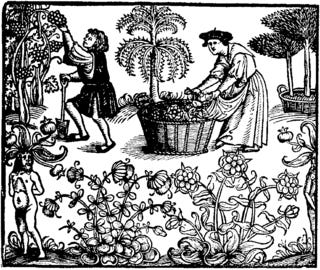
Below is a wonderful 10th-century Anglo-Saxon charm — one of the oldest recorded herbal incantations in English, found in the Lacnunga, a collection of medical and magical texts. It’s extraordinary not only for its poetry, but for how vividly it reflects our ancestors’ understanding of plant medicine — each herb a living ally against sickness and shadow.
Among them is Wergulu — thought by some scholars to be crabapple — standing firm “against pain and against poison.” I find that profoundly beautiful. Over a thousand years later, here we are, still steeping apples for strength, still turning to the garden for grace.
(From the Penn State Medieval Garden Page)
The Anglo-Saxon Nine Herbs Charm
from the Lacnunga – 10th Century Herbal
Remember, Mugwort, what you made known,
What you arranged at the Great proclamation.
You were called Una, the oldest of herbs,
you have power against three and against thirty,
you have power against poison and against contagion,
you have power against the loathsome foe roving through the land.
And you, Waybread, mother of herbs,
open to the east, mighty inside.
over you chariots creaked, over you queens rode,
over you brides cried out, over you bulls snorted.
you withstood all of them, you dashed against them.
May you likewise withstand poison and infection
and the loathsome foe roving through the land.
‘Stune’ is the name of this herb, it grew on a stone,
it stands up against poison, it dashes against pain.
Nettle it is called; it drives out the hostile one, it casts out poison.
This is the herb that fought against the snake,
it has power against poison, it has power against infection,
it has power against the loathsome foe roving through the land.
Put to flight now, Venom-loather, the greater poisons,
though you are the lesser,
you the mightier, conquer the lesser poisons, until he is cured of both.
Remember, Chamomile, what you made known,
what you accomplished at Alorford,
that never a man should lose his life from infection
after Chamomile was prepared for his food.
This is the herb that is called Wergulu (Crabapple).
A seal sent it across the sea-right,
a vexation to poison, a help to others.
it stands against pain, it dashes against poison,
it has power against three and against thirty,
against the hand of a fiend and against mighty devices,
against the spell of mean creatures.
There the Apple accomplished it against poison
that she, the loathsome serpent, would never dwell in the house.
Chervil and Fennel, two very mighty ones.
They were created by the wise Lord,
holy in heaven as He hung;
He set and sent them to the seven worlds,
to the wretched and the fortunate, as a help to all.
These nine have power against nine poisons…
From Charm to Kitchen
There’s something deeply comforting in the thought that these old words once rose from fire-lit kitchens not so different from ours — spoken by women who dried their herbs on the rafters and brewed their medicines beside the stew pot. The lines between magic and medicine were never firm; both came from the same heart of care.
When I stand at my own stove, stirring a pot of jelly that glows like amber in the afternoon light, I can almost hear them — their voices folded into the steam, reminding us that every act of tending is a kind of spell.
A Simple Crabapple Jelly
Ingredients:
4 pounds of crabapples (stems removed, washed well)
Water to just cover
Sugar (¾ cup per cup of strained juice)
1/2 a cup of fresh lemon juice
1 teaspoon of cinnamon
Method:
Place the crabapples in a heavy pot and add just enough water to cover. Bring to a gentle boil, then reduce to a simmer for about 20–25 minutes, or until the fruit is soft and fragrant.
Pour the mixture through a jelly bag or cheesecloth-lined sieve and allow it to drip overnight — do not press, or your jelly will turn cloudy.
Measure the strained juice. For every cup of juice, add ¾ cup of sugar.
Return to a clean pot, bring to a rapid boil, and cook until the jelly reaches the setting point (220°F / 104°C), or until a drop wrinkles on a cold plate.
Skim any foam, pour into warm, sterilized jars, and seal immediately.
The result is a jewel-toned jelly — sweet and tart, with a whisper of wild hedgerow about it. It’s lovely with toast and butter, roasted meats, or even spooned warm over a bit of sharp cheese.
A Blessing for the Autumn Kitchen
May your jars set well,
and your hearth smell of apples and spice.
May the small things you tend —
a simmering pot, a flickering flame, a quiet thought —
return to you tenfold in warmth and ease.
And may every tart, wild fruit remind you
that sweetness, too, can come from patience. 🍎
From the kitchen at Windesphere,
where the apples are simmering
and the year turns softly toward winter.
Beth